
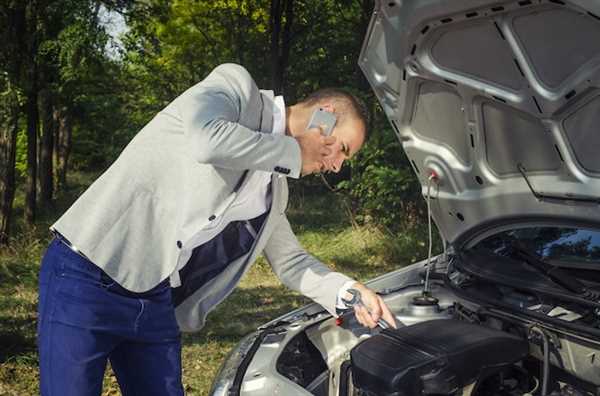
Listen closely to your vehicle’s heart; unusual sounds can indicate underlying troubles. Start by pinpointing the type of noise you hear–whether it resembles knocking, squealing, or grinding. Each sound signifies specific concerns that require immediate attention.
For instance, a persistent knocking might suggest worn bearings or even piston slap, while a high-pitched squeal could point to belt issues or worn-out serpentine components. Accurately recognizing these auditory clues is the cornerstone of precise diagnosis.
Next, assess when the sounds manifest. Do they occur during acceleration, idling, or turning? Observing these patterns can enhance your understanding of the source, allowing for a more targeted approach to repairs.
Always remember that timely intervention is the key to preventing minor issues from escalating into costly repairs. By diligently following these guidelines, you’ll increase your chances of identifying and correcting the problem efficiently.
Identifying the Source of Engine Knocking Sounds
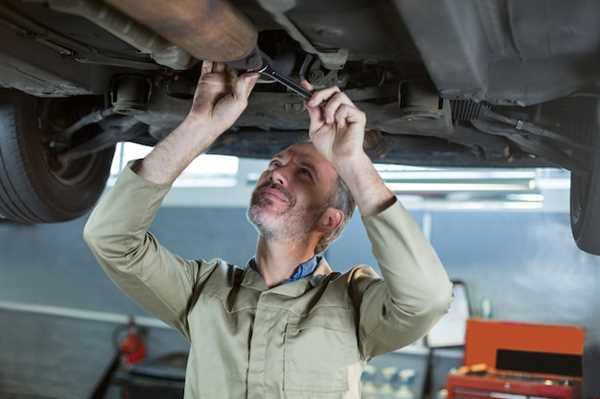
Inspect the oil level and quality. Insufficient or degraded oil can lead to inadequate lubrication, resulting in knocking sounds. Add or replace oil as necessary.
Listen for the location of the sound. A knocking noise originating from the top of the motor may indicate issues with the valvetrain or lifters, while sounds from the bottom could signal problems with the crankshaft or connecting rods.
Examine fuel quality. Low-octane fuel can cause pre-ignition, leading to knocking. Use the recommended octane level for your vehicle to avoid this problem.
Check for loose components. Inspect engine mounts and accessory belts for wear. A loose belt can create a rattling sound simulating a knock.
Investigate spark plug condition. Worn or incorrect spark plugs may cause uneven combustion, contributing to knocking. Replace any faulty plugs to improve performance.
Evaluate timing settings. Incorrect ignition timing can lead to premature combustion, generating knocking noises. Verify timing with a diagnostic tool and adjust as needed.
Inspect for vacuum leaks. Leaks can alter air-fuel mixture, causing abnormal combustion and knocking sounds. Use a smoke test or spray method to detect leaks.
Run a compression test. Low compression in one or more cylinders can indicate internal wear or damage that may be causing knocking. Compare readings against manufacturer specifications.
Analyzing High-Pitched Engine Whining Issues
Check for worn or damaged serpentine belts; a frayed or misaligned belt often creates a high-pitched sound. Inspect the belt for any cracks or signs of excessive wear.
Examine the alternator and power steering pump for bearing wear. A failing bearing may produce a whining noise that becomes pronounced under load.
Verify the condition of the transmission fluid. Low or contaminated fluid can cause whining, particularly in automatic transmissions. Change the fluid if necessary and observe any changes in noise.
Inspect the fuel pump for signs of failure. A malfunctioning fuel pump may emit a high-pitched whine, especially noticeable during acceleration.
Check for vacuum leaks. A leak in the intake system can lead to unusual sounds. A diagnostic tool can help identify any anomalies in pressure.
Listen for the noise during various engine speeds. This can assist in pinpointing its source, as some issues are more pronounced at higher RPMs.
Consider the age of the vehicle; components naturally wear out over time. Regular maintenance can help mitigate some of these issues before they escalate.
Finally, if the noise persists after performing these checks, consult a certified technician. An expert assessment will provide a thorough exploration of potential underlying problems.
Evaluating Low Rumbling or Grinding Noises in Engines
Inspect the crankshaft pulley and its bearings. A worn or damaged pulley can cause low rumbling sounds. Check for play by wiggling the pulley and listen for noise.
Examine the exhaust system. A loose heat shield or damaged muffler often produces a grinding or rumbling sensation. Secure any loose components and look for signs of corrosion.
Assess the timing belt and components. A failing belt tensioner may create grinding sounds. Inspect for fraying or any signs of wear.
Evaluate the oil level and quality. Low or dirty oil may lead to increased friction, contributing to unusual sounds. Change oil if it appears dark or gritty.
Consider the transmission. Low fluid levels or worn gears may produce grinding sounds during shifting. Check the transmission fluid and inspect for leaks.
- Check for proper fluid levels in the power steering and brake systems.
- Inspect all mounting points for worn or damaged rubber isolators.
Take note of any patterns. If the noise intensifies with acceleration or deceleration, it may indicate specific issues with internal components.
- Lift the vehicle and check for damaged wheel bearings or drive shafts.
- Perform a visual inspection of belts for cracks or signs of wear.
Seek professional assistance if noises persist after these checks, as early intervention can prevent further damage.